
How Many Towels Does a Hotel Need?
Buying guide
How Many Towels Does a Hotel Need?
Hotel managers calculate towel orders by setting par levels that cover daily use, laundry cycles, and occupancy spikes. Accurate planning prevents shortages during peak periods and controls inventory costs. Use room counts, guest stay patterns, and turnaround assumptions to build an opening order and ongoing replenishment schedule.
Quick answer
Set a base par of 4 to 6 towels per room for standard properties: two bath towels, one hand towel, and one washcloth per guest, plus spares for quick changes. Add 20 to 30 percent buffer for high occupancy or extended laundry cycles. For a 100-room hotel with one-day laundry turnaround, maintain 500 to 700 total towels. Adjust upward for pool areas or properties with longer guest stays.
- Establish par levels at 4 to 6 towels per room before placing an opening order.
- Factor laundry turnaround time directly into total inventory calculations.
- Add occupancy buffers of 20 to 30 percent to cover peak demand periods.
- Separate pool and spa towel quantities from standard room allocations.
- Review actual usage data after 90 days to refine future orders and reduce waste.
- Order replacements in batches sized to match monthly loss and damage rates.
Visual buying checkpoints
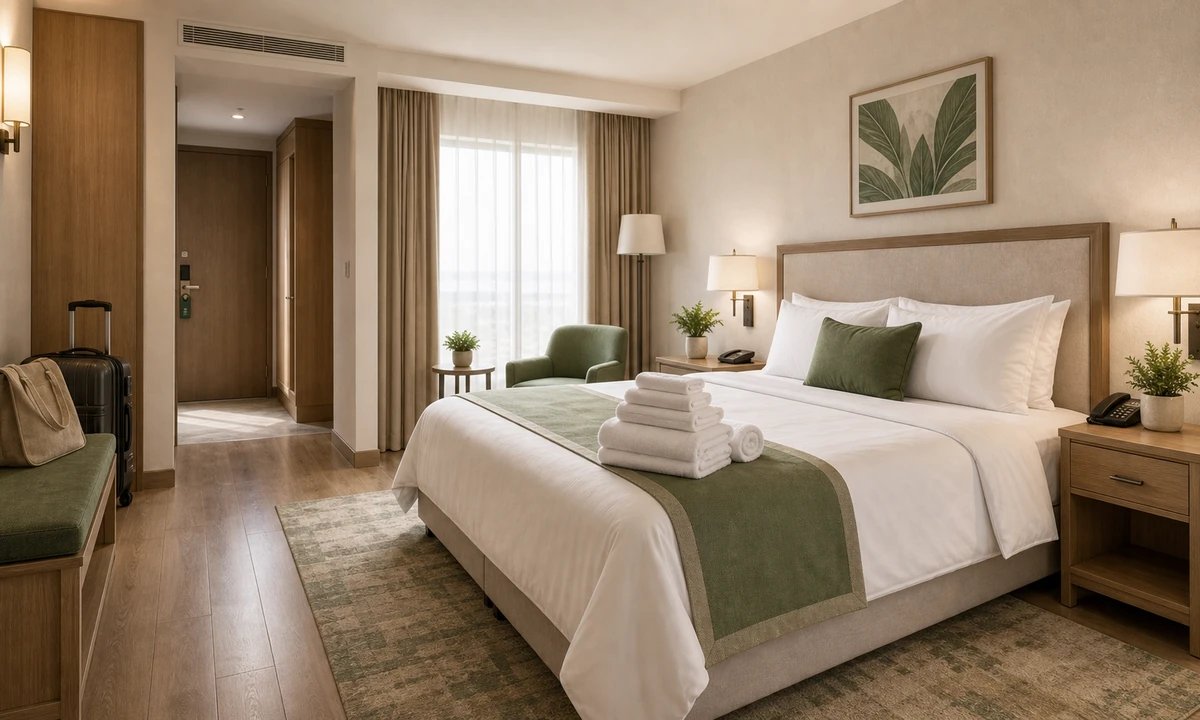
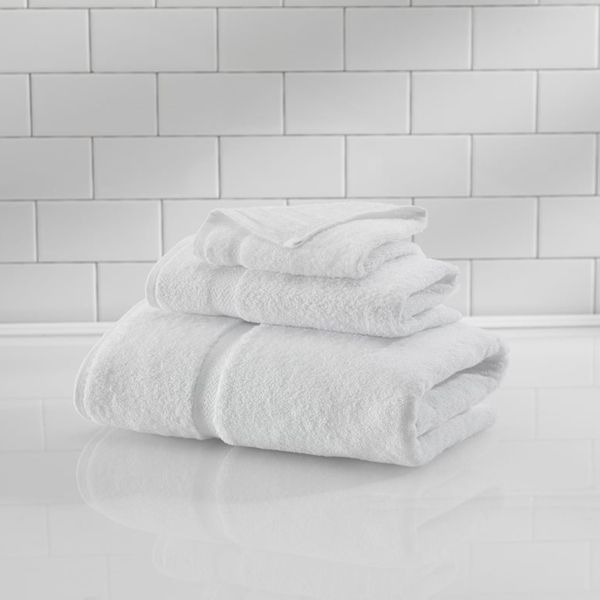
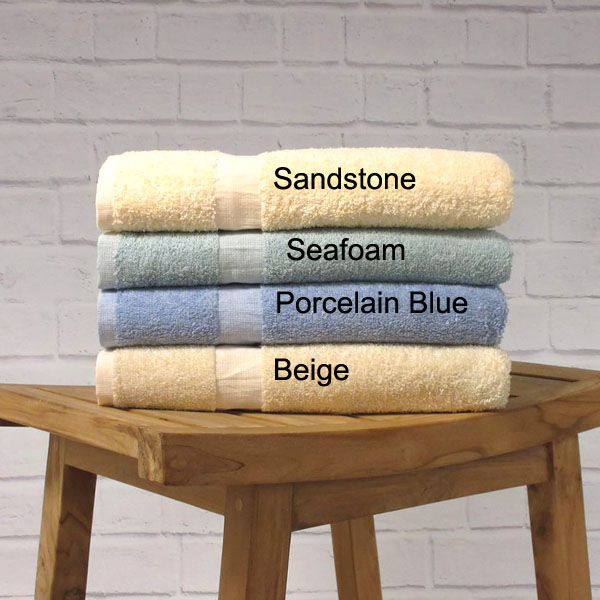
Setting Base Par Levels by Room Type
Begin with a standard allocation of two bath towels, one hand towel, and one washcloth per guest. Most properties add one extra bath towel per room to handle mid-stay requests. Economy hotels often operate at 4 towels per room total, while full-service properties target 5 to 6 to support higher guest expectations and faster room turns. Track actual consumption for the first quarter to confirm the number works for your laundry schedule.
- Economy properties: 4 towels per room covers basic guest needs with minimal buffer.
- Midscale hotels: 5 towels per room balances cost and guest satisfaction.
- Full-service or resort properties: 6 towels per room supports spa amenities and longer stays.
- Suite rooms: increase to 7 or 8 towels to account for additional guests or longer visits.
Laundry Turnaround and Inventory Multipliers
Multiply the base par by the number of days required for soiled towels to return clean. A one-day turnaround needs a 2x multiplier. Two-day service requires 3x. Properties that outsource laundry often add an extra day for transport, pushing the multiplier higher. Calculate total stock as rooms times towels per room times multiplier, then add the occupancy buffer on top of that figure before placing the initial order.
- One-day in-house laundry: maintain 2 times daily usage quantity on site.
- Two-day outsourced service: hold 3 times daily usage to avoid shortages.
- Peak season overlap: increase multiplier by 0.5 when occupancy exceeds 85 percent.
- Emergency stock: keep 10 percent of total inventory in sealed cartons for sudden demand spikes.
Occupancy Buffers and Seasonal Adjustments
Apply a 20 to 30 percent buffer above calculated par to absorb sold-out nights and extended stays. During conventions or holidays, raise the buffer to 35 percent. Reduce it slightly in shoulder seasons when occupancy drops below 60 percent. Review monthly occupancy reports and adjust towel stock before the next linen order cycle rather than reacting after shortages occur on the floor. This approach keeps working capital steady while protecting service levels.
- Standard buffer: add 25 percent to base calculation for typical 70 to 80 percent occupancy.
- High-demand periods: raise buffer to 35 percent during local events or holidays.
- Low season: reduce buffer to 15 percent when average occupancy falls below 60 percent.
- New properties: start with 30 percent buffer until three months of usage data are available.
Pool and Spa Towel Planning
Allocate separate towel quantities for pool decks, fitness centers, and spa areas. Estimate 1.5 pool towels per room for properties with outdoor pools during warm months. Provide one additional towel per fitness equipment station in gyms. Track return rates carefully because pool towels experience higher loss and staining. Order these items in a distinct color or with clear markings to prevent mixing with room stock.
- Outdoor pool: plan 1.5 towels per room during peak summer months.
- Indoor pool or spa: use 0.8 towels per room year-round with higher replacement frequency.
- Fitness center: supply 1 towel per 2 pieces of equipment plus 20 percent spare.
- Beachfront properties: increase pool allocation by 50 percent and order quick-dry styles.
Opening Order Example for a 100-Room Property
A new 100-room midscale hotel with one-day laundry turnaround requires roughly 600 to 750 total towels. Start with 5 towels per room as base par, apply a 2x multiplier for laundry, then add a 25 percent occupancy buffer. Order 20 percent extra bath towels because they show wear fastest. Place the first replenishment order after 60 days once loss and damage patterns become clear. This staged approach prevents overstock while ensuring every room can be turned on schedule.
- Base calculation: 100 rooms times 5 towels equals 500 units before multipliers.
- Laundry multiplier: double to 1000 units for one-day service cycle.
- Occupancy buffer: add 250 units for 25 percent surge protection during sell-outs.
- Initial split: 60 percent bath towels, 25 percent hand towels, 15 percent washcloths.
Ongoing Replenishment and Loss Tracking
Record monthly towel losses from damage, theft, and wear. Most hotels replace 8 to 12 percent of total stock annually. Build replacement orders around this rate rather than waiting for visible shortages. Schedule quarterly reviews with housekeeping to compare par counts against actual linen closet inventory. Adjust future purchases when loss rates exceed 15 percent or when guest complaint logs show repeated towel shortages.
- Annual replacement target: 8 to 12 percent of total towel inventory.
- Monthly review: compare closet counts to par levels every 30 days.
- Damage logging: record stained or torn items separately to identify fabric quality issues.
- Bulk reorder: combine replacement needs with seasonal buffer increases to reduce per-unit cost.
Comparing Towel Weights and Sizes for Quantity Planning
Heavier towels require fewer units per room but increase laundry loads and drying times. Lighter weights allow higher par counts without raising total weight handled by staff. Choose bath towels between 10 and 14 pounds per dozen for standard hotels. Verify that chosen sizes fit existing shelving and carts before locking in large opening quantities. Test a small sample order first to confirm guest acceptance and laundry performance.
- Lightweight bath towel: 10 lb per dozen supports higher par counts with faster drying.
- Standard weight: 12 lb per dozen balances durability and guest feel for most properties.
- Heavyweight: 14 lb per dozen suits luxury positioning but increases laundry cycle time.
- Hand towel and washcloth: maintain consistent weight family to simplify sorting and folding.
Integrating Towel Orders with Other Linen Categories
Coordinate towel quantities with sheet and pillowcase orders to balance total linen spend. Many buyers place combined orders quarterly to secure better pricing tiers. Align delivery schedules so all linen categories arrive together and reduce receiving labor. Keep separate inventory records for each category to avoid cross-contamination of par calculations when usage patterns differ between towels and bedding. This separation improves accuracy when forecasting next-quarter needs.
- Quarterly combined orders: group towels with sheets to reach volume discount thresholds.
- Receiving schedule: time deliveries for the same day to cut labor and dock time.
- Separate tracking: maintain distinct par logs for towels versus bedding to spot trends faster.
- Vendor consolidation: use one primary supplier for towels and one for sheets when possible.
Towel Quantity Planning Calculator
Use room count, towels per room, laundry days, and occupancy buffer to estimate total stock needed. Adjust the buffer percentage for seasonal demand before placing orders.
| Scenario | Planning range | How to use it |
|---|---|---|
| 100-room midscale hotel | 600 to 750 total towels | 5 towels per room, 1-day laundry, 25 percent buffer for typical occupancy. |
| 150-room full-service property | 1125 to 1350 total towels | 6 towels per room, 2-day outsourced laundry, 30 percent peak buffer. |
| 80-room economy motel | 320 to 400 total towels | 4 towels per room, 1-day laundry, 20 percent buffer for lower occupancy. |
| 200-room resort with pool | 1800 to 2200 total towels | Includes 300 pool towels added to standard room allocation and higher buffer. |
Par Level Comparison by Property Type
| Property Type | Towels per Room | Laundry Multiplier | Buffer Percent |
|---|---|---|---|
| Economy motel | 4 total | 2x (1 day) | 15 to 20 percent |
| Midscale hotel | 5 total | 2x to 3x | 20 to 30 percent |
| Full-service hotel | 6 total | 3x (2 day) | 25 to 35 percent |
| Resort with pool | 7 total | 3x plus pool | 30 to 40 percent |
Decision flow
Count total rooms and identify room types that need higher towel counts.
Choose towels per room based on service level and guest expectations.
Determine laundry turnaround days from current vendor or in-house schedule.
Apply occupancy buffer percentage using historical or projected peak data.
Add separate pool towel allocation and color-code for tracking.
Review first-quarter usage and adjust next order quantity accordingly.
Common buying mistakes to avoid
Products to plug into the towel quantity math
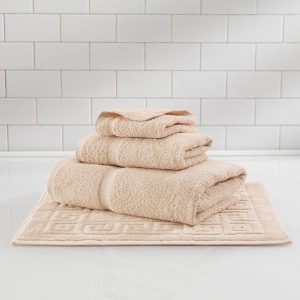
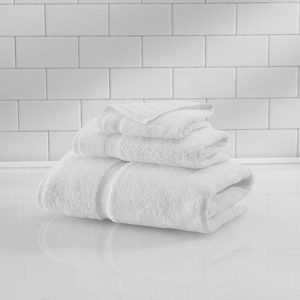
Once you calculate par levels, use product examples like these to convert room counts into specific bath towel, hand towel, and washcloth case needs.
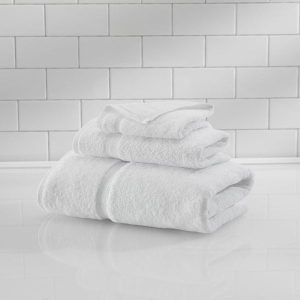
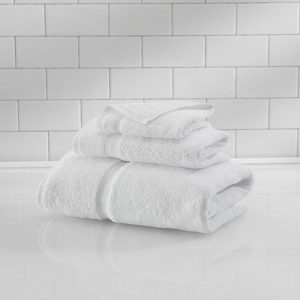
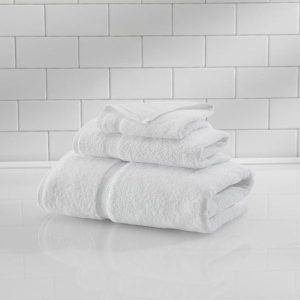
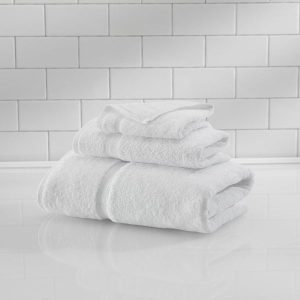
- 1888 Mills Crown Touch™ Bath Sheet 35 x 68 100% Cotton White-2 DZ. – the main item to multiply across rooms, laundry, and reserve stock.
- 1888 Mills Crown Touch™ Hand Towels 16 X 30 100% Cotton White-10 DZ. – needed for sink-area par counts and housekeeping carts.
- 1888 Mills Crown Touch™ Hemmed Washcloth 13 x 13 100% Cotton White-25 DZ. – important because washcloths often need extra replacement reserve.
Shop related products
Use these product groups as starting points, then use Fast Order for repeat case ordering.
Buyer FAQs
What is a typical par level for towels in a standard hotel room?
Most midscale hotels set 5 towels per room: two bath, one hand, one washcloth, and one spare bath towel. Economy properties often run at 4 total while full-service hotels target 6 to support higher expectations and faster turns.
How do I calculate total towels needed for a new hotel opening?
Multiply rooms by towels per room by laundry turnaround days, then add a 20 to 30 percent occupancy buffer. For example, 100 rooms at 5 towels with one-day laundry and 25 percent buffer equals roughly 625 to 750 total towels.
Should pool towels be included in the main room par calculation?
No. Keep pool and spa towels in a separate inventory category. Estimate 1 to 1.5 pool towels per room during peak season and track them independently to control loss and staining rates.
How often should replacement towel orders be placed?
Review loss and damage data monthly and place replenishment orders quarterly. Most properties replace 8 to 12 percent of total stock each year once usage patterns stabilize.
What buffer percentage works for high-occupancy periods?
Raise the buffer to 30 or 35 percent when projected occupancy exceeds 85 percent or during local events. Reduce it to 15 percent in shoulder seasons when average occupancy falls below 60 percent.
How does laundry turnaround affect total towel inventory?
One-day service needs a 2x multiplier. Two-day outsourced service requires 3x. Add extra days for transport when using off-site vendors to prevent running short between deliveries.
Build the order
Contact towelwholesaler.com to build a custom quantity plan using your room count, laundry schedule, and occupancy data. Request a fast order quote for opening stock or scheduled replenishment.