
Car Wash and Detailing Towel Buying Guide
Commercial buying guide
Car Wash and Detailing Towel Buying Guide
Buy towels that remove water quickly, hold up to daily chemicals, and keep labor costs down.
Match Towel Type to Task
Use 16 by 16 inch 300 GSM microfiber for interior dusting and glass. Switch to 16 by 24 inch 400 GSM plush microfiber for drying body panels. Reserve traditional terry for wheel wells and undercarriage where absorbency matters more than streak-free finish. Color-code each category so staff grab the correct towel every time.
GSM and Pile Height for Drying Speed
Higher GSM holds more water but takes longer to dry between cars. A 340 to 380 GSM waffle weave gives the best balance for high-volume washes. It removes water in two passes without leaving lint. Test a sample pack on your busiest day to confirm actual drying time before ordering cases.
Chemical Resistance and Longevity
Detailing soaps and wheel cleaners break down cheap microfiber edges fast. Ask for towels finished with silicone-free, acid-resistant dyes. Expect 300 to 400 wash cycles before performance drops. Track towel life by batch so you can replace stock before quality affects customer cars.
Edge Stitching That Survives Daily Use
Look for ultrasonic or laser-cut edges that will not unravel after repeated wringing. Double-stitched borders add strength without adding bulk. Avoid cheap overlock stitching that catches on trim pieces. One failed edge can scratch paint and create a complaint.
Laundry Process for Maximum Reuse
Wash microfiber separately from cotton towels. Use cold water and half the normal detergent. Skip fabric softener entirely. Dry on low heat or hang to preserve fiber integrity. Proper care doubles the number of effective uses before replacement.
Bulk Pricing and Reorder Planning
Order in full case quantities to lock in lower per-piece pricing. Set a reorder point at 25 percent remaining stock so you never run out mid-shift. Ask suppliers about mixed-case options that combine glass, drying, and interior towels in one shipment.
Track Cost Per Car
Divide total towel spend by monthly car count. Most efficient shops stay under 12 cents per vehicle. Adjust towel mix or laundry schedule if costs rise. Small changes in GSM or washing method often yield measurable savings without quality loss.
Detailing Towels Should Move Through Duty Levels
Car wash and detailing towels should not stay in the same role forever. The cleanest towels belong on paint, glass, and final inspection. As towels age, they can move to interiors, jambs, wheels, engines, and rough utility work. This controlled retirement path stretches value without risking scratches or poor finish quality.
The shop should never let staff grab any towel for any job. A towel that touched wheels should be considered contaminated for paint and glass. A towel used with strong chemical should not return to final wipe-down. Bins, labels, and laundering rules matter as much as the towel itself.
- Reserve best towels for paint, glass, and final inspection.
- Move older towels into interior, jamb, wheel, or utility duty.
- Wash heavy-soil towels separately from finish towels.
- Retire towels visibly so staff does not return them to premium work.
Order Math for Car Washes and Detail Shops
Use vehicle volume and service packages to estimate towel demand. A quick exterior wash uses fewer towel touches than a full detail. A rainy weekend may double drying towel demand. A shop with multiple active bays needs enough towel stock so one busy bay does not drain the entire operation.
Start with towels per vehicle, vehicles per day, days between laundry cycles, and reserve stock. Then round to case quantities. If towels are laundered offsite, add extra reserve for pickup and delivery delays. If towels are laundered onsite, consider washer and dryer capacity because wet detailing towels can bottleneck quickly.
| Shop variable | How it changes the order | Planning note |
|---|---|---|
| Vehicles per day | Sets the base towel count | Use peak volume, not average slow-day volume. |
| Service packages | Changes towel touches per vehicle | Full detail needs more separated towel groups. |
| Laundry schedule | Determines reserve stock | Offsite laundry requires a larger buffer. |
| Weather | Increases drying towel demand | Keep seasonal or rainy-day reserve cases. |
Quality Checks Before Daily Use
Inspect detailing towels as they come out of laundry. Pull towels with embedded grit, rough edges, heavy staining, or chemical odor from finish duty immediately. This inspection step protects the customer vehicle and the shop’s reputation. The towel order should include enough reserve so staff can remove questionable towels without creating a shortage.
Keep reorder SKUs documented by duty level. If the shop changes towel type by accident, staff may notice only after finish quality drops. A simple reorder file keeps purchasing aligned with the way technicians actually work.
Questions for Car Wash and Detailing Buyers
Before ordering towels, separate the business model. A tunnel wash, hand wash, mobile detailer, dealership prep team, and high-end detailing shop do not use towels the same way. A high-volume wash needs large counts and fast laundering. A detailing shop needs stricter separation by surface and soil level. A mobile team needs compact storage and clear packing lists. A dealership prep department needs repeatable towels for many vehicles per day.
Then separate by surface. Paint, glass, interior, wheels, tires, jambs, engine bays, and final inspection should not share one towel category. If the shop does not separate towels, the order should include enough cases and bins to make separation practical. Under-ordering forces staff to reuse the wrong towel because the right one is not available.
- Estimate towels per vehicle by service package, not only by daily car count.
- Keep finish towels separate from wheels, tires, jambs, and engine work.
- Build reserve stock for rainy days and weekend volume spikes.
- Inspect towels after laundry before returning them to premium surface work.
Detailing Towel Failure Signs
A detailing towel program is failing when technicians spend time searching for clean finish towels, glass has lint after wiping, wheels towels end up in interior bins, or towels come back from laundry with grit, wax, or odor. These are not small inconveniences. They affect finish quality, speed, and customer satisfaction.
The solution is not always a more expensive towel. Sometimes the right move is more separation, better bins, a larger reserve, or a clearer retirement path. A guide that explains this helps commercial buyers order by workflow, which is much more useful than a short product blurb.
Build a Towel System by Surface
Car wash and detailing towels should be organized by surface risk. Towels used on wheels, door jambs, engines, and lower panels should never return to paint or glass work. A good towel program protects finishes by separating towel types, storage bins, and wash loads.
| Use | Towel role | Control point |
|---|---|---|
| Drying exterior | Absorbency and size | Keep away from wheel and jamb towels. |
| Glass | Low lint finish | Store in a clean, closed bin. |
| Interior wipe-down | Soft hand and controlled moisture | Do not mix with chemical-heavy towels. |
| Wheels / tires | Rough-duty utility | Retire these earlier and wash separately. |
| Final inspection | Clean presentation towel | Keep a dedicated finishing stack. |
Daily Quantity Planning
Start with the number of vehicles per day and the towel count per package. A basic wash may need fewer towels than full interior/exterior detail work. Add towels for active use, laundry, drying time, and reserve. The busier the shop, the more important it is to round up to clean case quantities.
- Count towels per vehicle by service package.
- Multiply by daily vehicle volume and active bays.
- Add a laundry reserve for wet weather and weekend peaks.
- Use labeled bins so towels do not drift between surface categories.
Catalog examples for detailing towel workflows
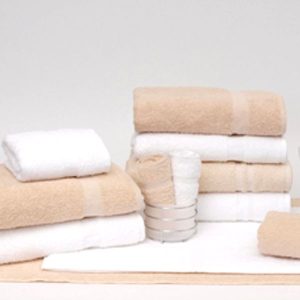
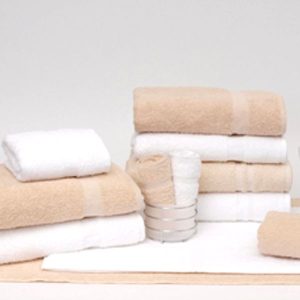
For detailing, product links should follow the surface-risk workflow: finish towels, general towels, and lower-risk utility stock should not be mixed blindly.
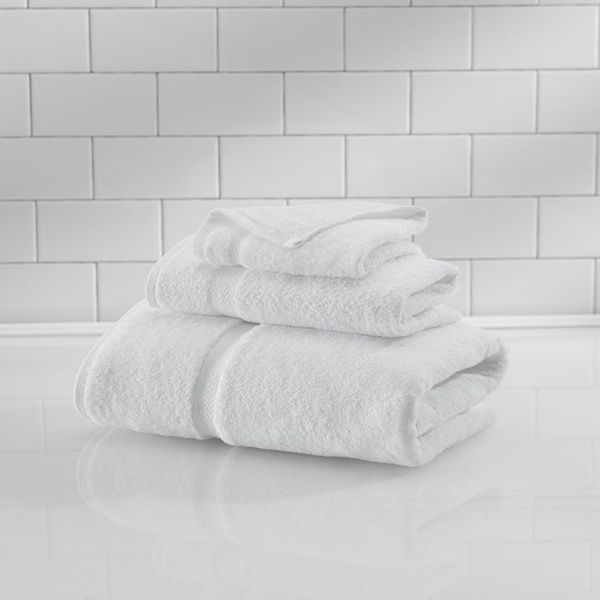
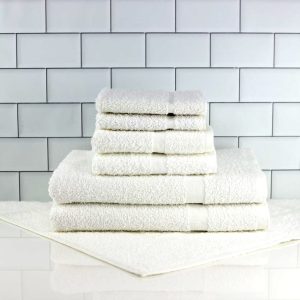
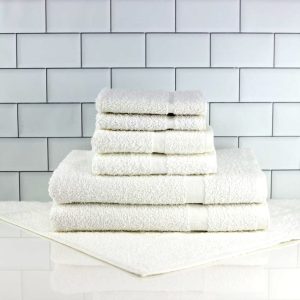
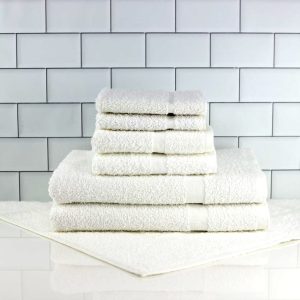
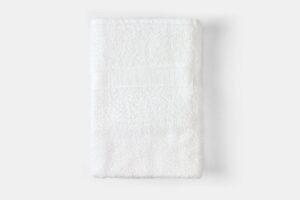
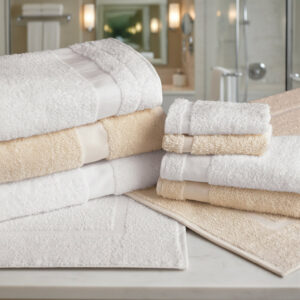
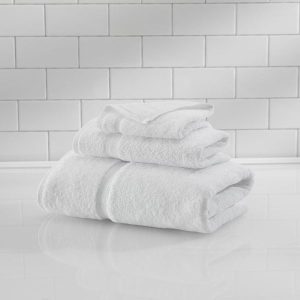
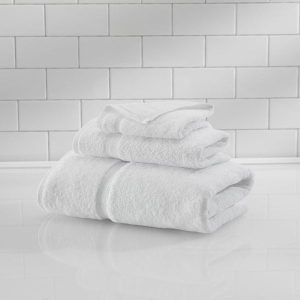
- 1888 Mills Crown Touch™ Hand Towels 16 X 30 100% Cotton White-10 DZ. – a manageable towel size for interior, glass, and controlled station use.
- 1888 Mills Crown Touch™ Hemmed Washcloth 13 x 13 100% Cotton White-25 DZ. – useful for smaller touchpoints and task-separated detailing work.
- 1888 Mills Crown Touch™ Bath Sheet 35 x 68 100% Cotton White-2 DZ. – only makes sense where larger absorbent towels are needed for drying or utility use.
Shop relevant wholesale products
Use these product starting points, then use Fast Order when you know the case quantities or SKUs you want to repeat.
Next steps
Use the related industry page for product groupings, then compare towel or linen specs before changing an established program. For repeat orders, Fast Order is usually the cleanest purchasing path.
Selection checklist
- Choose the core towel or linen type before comparing prices.
- Confirm case pack quantity and storage requirements.
- Separate guest-facing inventory from utility or back-of-house inventory.
- Use color intentionally for sorting, presentation, or stain management.
- Keep reorder SKUs consistent so replacement buying stays simple.
- Review the related industry page when you need product groupings by use case.
Related buying resources
Use these internal links to move from planning to product selection without starting over in the catalog.