
Gym Towel Buying Guide for Fitness Centers
Buying guide
Gym Towel Buying Guide for Fitness Centers
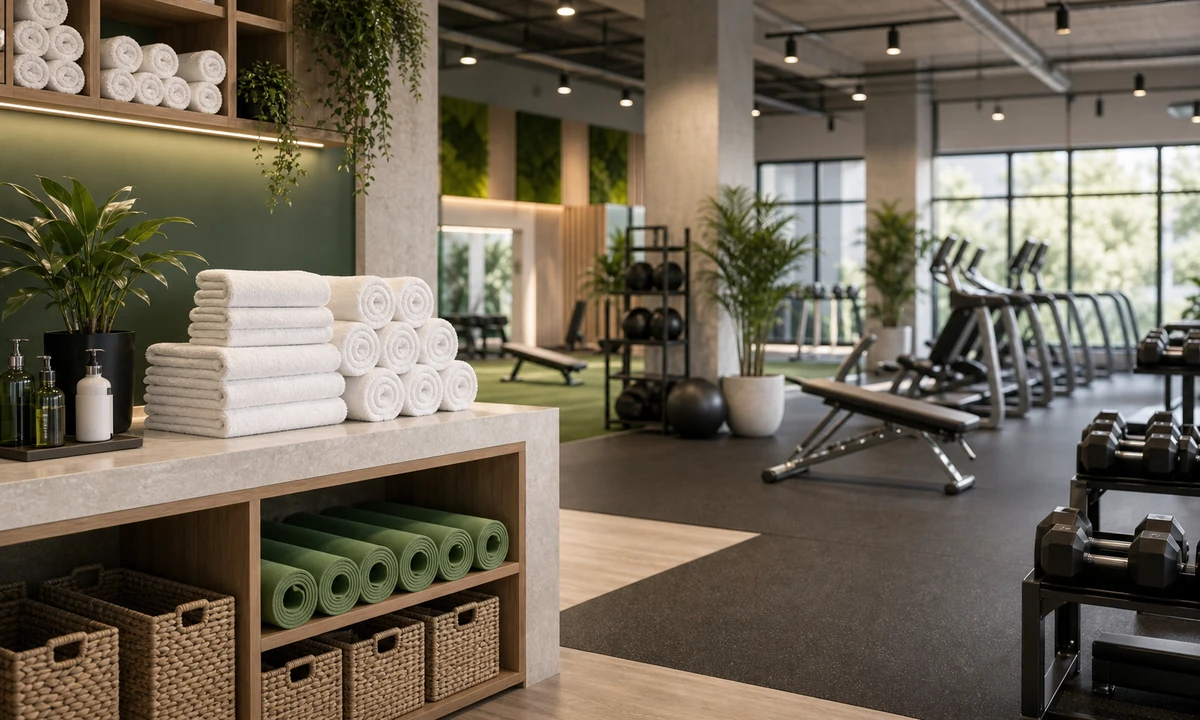
Fitness operators must balance member expectations for absorbency and quick drying against laundry throughput, replacement cycles, and station placement. This guide outlines how to choose between hand towels and bath towels, calculate inventory needs based on membership size, and schedule replacements without disrupting operations.
Quick answer
Most gyms run a mixed program: 16×28 inch hand towels at 400-450 GSM for weight rooms and cardio areas plus 24×48 inch bath towels at 500-550 GSM for locker room showers. Plan on 1.8 to 2.2 towels per daily member visit and maintain a three-day supply on the floor plus one full laundry cycle in reserve. Replace towels when absorbency drops or edges fray, typically after 80 to 120 wash cycles depending on detergent, p
- Match towel size and GSM to the zone: lighter hand towels for equipment areas, heavier bath towels for showers.
- Calculate daily usage by multiplying peak-hour visits by 1.8 to 2.2 towels per person rather than total membership.
- Maintain a three-day operating inventory plus one complete laundry cycle to avoid stockouts during peak periods.
- Position towel stations at entry, near showers, and by exit to reduce lost towels and improve member flow.
- Track replacement rates monthly; expect 8-12 percent monthly turnover once towels reach 80 wash cycles.
- Choose ring-spun or combed cotton blends that survive commercial washers at 160-180°F without excessive lint.
Visual buying checkpoints
Hand Towel Versus Bath Towel Programs
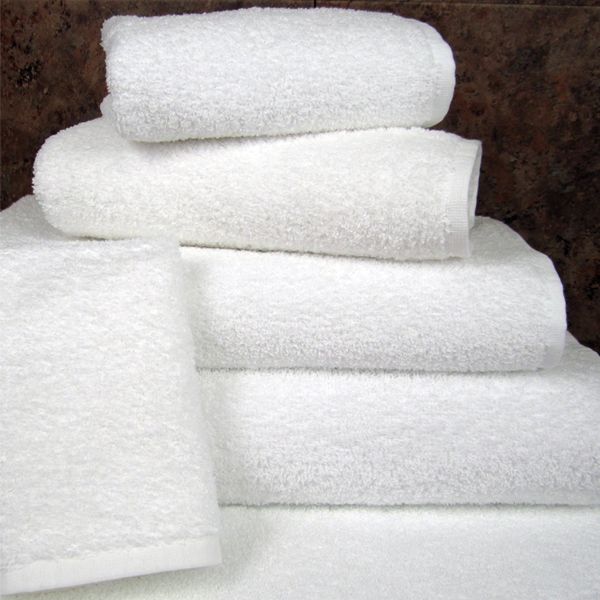
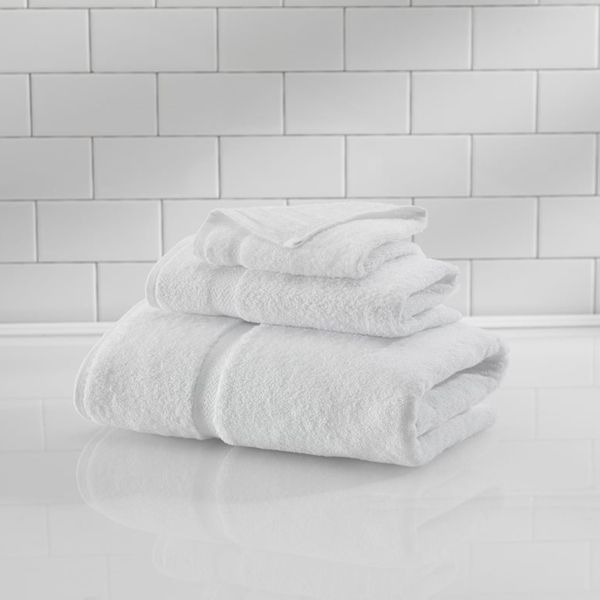
Hand towels handle sweat and equipment wipe-downs while bath towels serve post-shower drying. Hand towels at 16×28 inches dry faster on the floor and fit smaller dispensers. Bath towels at 24×48 inches provide full-body coverage but require longer drying times and larger storage. Most facilities run 70 percent hand towels and 30 percent bath towels for general fitness traffic. Yoga and spin studios shift the ratio toward more hand towels because members rarely shower on site. Locker-room operators increase bath towel allocation when membership skews toward post-workout shower users.
- Hand towels reduce laundry weight and dryer runtime by roughly 35 percent compared with bath towels.
- Bath towels increase perceived service level but raise replacement cost per piece by 50-70 percent.
- Mixed programs allow separate tracking of loss rates between equipment zones and shower areas.
- Staff can restock hand towel stations more frequently without moving heavy bath towel bundles.
Determining Daily Towel Usage
Usage is driven by daily foot traffic rather than total members. Track peak-hour check-ins for two weeks and multiply by 1.8 towels per visit for standard gyms or 2.2 for facilities with high shower traffic. Add 10 percent buffer for lost or soiled towels that never return to the hamper. Facilities with 400 daily visits therefore need roughly 720-880 towels processed each day. This figure directly informs both inventory purchase and laundry capacity planning.
- Log actual towel counts at end of day for the first 30 days to refine the multiplier.
- Corporate gyms with badge-in systems can pull visit data directly from access reports.
- Weekend and evening classes often produce 25 percent higher per-person towel counts.
- Youth programs and sports teams generate lower towel usage but higher soil levels.
Laundry Throughput and Cycle Timing
Commercial washers handle 50-70 pounds per load. A typical 16×28 hand towel weighs 0.35 pounds dry, so one load processes 140-200 hand towels. Plan two full laundry cycles per day for high-traffic sites and one cycle for smaller studios. Allow 90 minutes per cycle including wash, extract, and 45-minute dryer time. Overloading reduces absorbency and shortens towel life. Maintain separate carts for clean and soiled towels to prevent cross-contamination.
- Run a test load at actual weights before finalizing daily schedule.
- Stagger start times so clean towels are available before afternoon rush.
- Use low-lint detergent formulated for 160°F+ commercial cycles to extend life.
- Inspect dryer exhaust weekly to maintain airflow and prevent extended dry times.
Towel Station Placement and Loss Control
Place stations at three points: entrance for initial pickup, near showers for post-use exchange, and exit for returns. Single-station layouts increase lost towels by 15-20 percent. Use open bins for pickup and lidded hampers for returns to keep clean towels sanitary. Number or color-code towels by station to identify loss patterns quickly. Facilities that implement exchange-only policies report 30 percent lower annual replacement spend.
- Mount dispensers at 48 inches to accommodate most members without bending.
- Install signage stating exchange policy to reduce intentional removal.
- Audit hamper contents weekly for non-towel items that damage equipment.
- Rotate station locations seasonally if layout changes affect traffic patterns.
Replacement Planning and Budgeting
Towels lose absorbency after 80 wash cycles and show visible wear by 120 cycles. Budget for 10 percent monthly replacement once inventory is six months old. Track lot numbers or purchase dates on a simple spreadsheet. Order in quantities that match laundry cart capacity to avoid partial cases sitting on shelves. Reorder when floor stock drops to one-day supply rather than waiting for complete depletion. This approach prevents emergency purchases at higher per-unit cost.
- Maintain separate replacement budgets for hand towels and bath towels.
- Review loss reports monthly to adjust order quantities before next season.
- Factor in seasonal spikes such as New Year resolutions and summer swim programs.
- Store backup stock off-site if on-site space is limited by fire code.
Material and Construction Choices
Ring-spun cotton offers the best balance of durability and absorbency for commercial use. Combed cotton reduces lint but costs more per pound. Blends with 10-15 percent polyester improve strength and reduce drying time. Avoid open-end yarns that pill quickly under heavy use. Verify that selected towels maintain pile height after repeated commercial laundering before committing to large orders. Test samples through three full cycles before scaling.
- Request mill test data on tensile strength after 50 wash cycles.
- Choose dobby or cam borders to reduce edge fray compared with plain hems.
- Confirm dye lots match across multiple shipments for consistent appearance.
- Avoid terry with excessive loose threads that catch on equipment.
Storage and Inventory Rotation
Store clean towels in climate-controlled areas below 75°F to prevent mildew. Use first-in first-out rotation so older stock reaches the floor first. Label shelves with purchase month. Keep 20 percent of total inventory in sealed bags as emergency reserve. This reserve covers equipment downtime or sudden membership spikes without last-minute ordering. Shelving should be 18 inches off the floor for airflow and cleaning access.
- Install wire shelving for airflow rather than solid surfaces that trap moisture.
- Limit stack height to 12 towels to avoid compression damage to pile.
- Perform monthly counts against usage logs to catch shrinkage early.
- Separate reserve stock from daily rotation to prevent accidental use.
Vendor and Order Process
Work with suppliers that provide consistent lot quality and reliable lead times. Order mixed pallets of hand and bath towels to optimize freight. Request sample packs before first bulk purchase to verify GSM and size against specifications. Establish standing orders based on average monthly usage to lock pricing and avoid stock gaps. Review supplier performance quarterly on delivery accuracy and product consistency. Adjust order frequency once actual usage data replaces initial estimates.
- Compare case weights listed on spec sheets rather than piece counts alone.
- Request mill origin documentation for consistent fiber quality across orders.
- Negotiate volume tiers once monthly usage exceeds 2,000 pieces.
- Keep one alternate supplier qualified for supply-chain interruptions.
Daily Towel Requirement Calculator
Estimate operating inventory by entering average daily visits. The ranges below assume standard commercial laundering and a three-day floor supply plus one laundry cycle reserve.
| Scenario | Planning range | How to use it |
|---|---|---|
| Small studio | 150-250 towels | Single laundry cycle per day; focus on hand towels only. 16×28 inch size. |
| Mid-size gym | 600-900 towels | Two laundry cycles; 70% hand towels, 30% bath towels recommended. |
| Large fitness center | 1,200-1,800 towels | Dedicated laundry staff; maintain separate shower and equipment inventories. |
| Multi-location chain | Per site calculation | Standardize sizes across locations for bulk pricing and easy transfers. |
Hand Towel vs Bath Towel Comparison
| Attribute | Hand Towel | Bath Towel |
|---|---|---|
| Typical size | 16×28 inch | 24×48 inch |
| GSM range | 400-450 | 500-550 |
| Dry time | 30-40 min | 50-60 min |
| Best zones | Cardio, weights | Showers, lockers |
| Cost per piece | Lower | 50-70% higher |
Decision flow
Measure average daily visits and shower percentage first. 70%+ shower users favors more bath towels.
Select sizes and GSM based on zone requirements rather than single uniform stock.
Calculate three-day operating supply plus laundry reserve before placing first order.
Set station locations and exchange policy before delivery arrives.
Track actual loss and replacement rates for 60 days then adjust reorder quantities.
Common buying mistakes to avoid
Catalog examples for gym towel stations
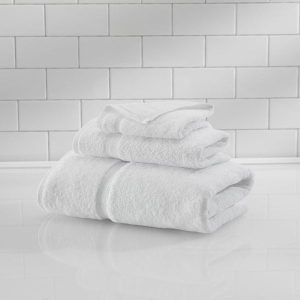
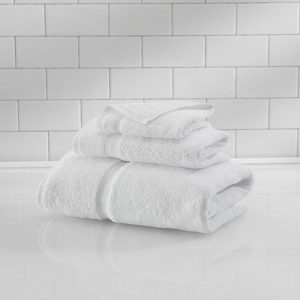
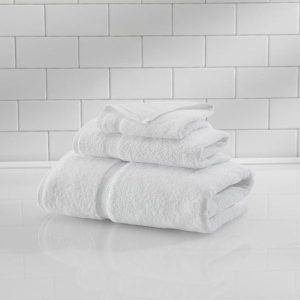
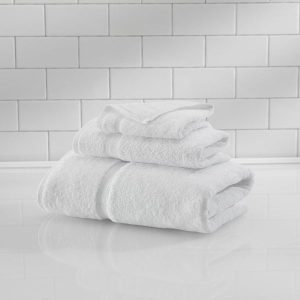
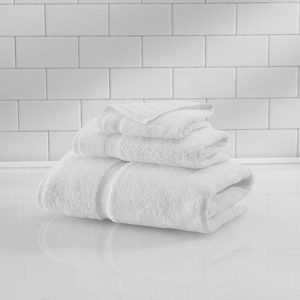
The guide recommends matching towel size to zone. These links are useful when comparing equipment-area hand towels, locker-room towels, and smaller reserve items.
- 1888 Mills Crown Touch™ Hand Towels 16 X 30 100% Cotton White-10 DZ. – a logical fit for cardio, weight room, and member wipe-down stations.
- 1888 Mills Crown Touch™ Bath Sheet 35 x 68 100% Cotton White-2 DZ. – relevant for locker rooms and shower programs.
- 1888 Mills Crown Touch™ Hemmed Washcloth 13 x 13 100% Cotton White-25 DZ. – can support smaller cleaning, spa, or compact towel station needs.
Shop related products
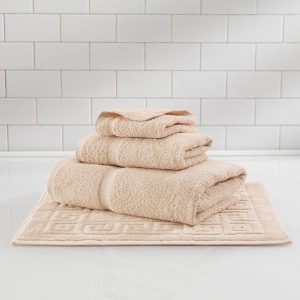
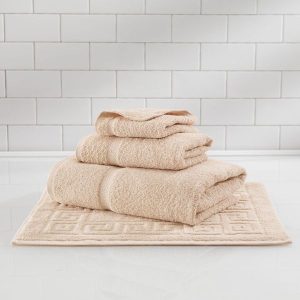
Use these product groups as starting points, then use Fast Order for repeat case ordering.
Buyer FAQs
How many towels should a gym of 500 daily visitors keep on hand?
Plan for 1,000 to 1,100 towels on the floor plus one full laundry load in reserve. This covers the 1.8-2.2 towels per visit range plus typical loss.
What GSM works best for gym hand towels?
400-450 GSM provides fast drying and adequate absorbency while surviving commercial wash cycles. Higher GSM slows drying without proportional benefit in equipment areas.
How often should towels be replaced in a commercial setting?
Expect 80-120 wash cycles before noticeable decline. Track lot age and replace 8-12 percent of inventory monthly once stock reaches six months old.
Can one towel size work for the entire facility?
A single size simplifies ordering but raises costs. Mixed programs using hand towels for equipment and bath towels for showers deliver better economics and member satisfaction.
What laundry temperature preserves towel life?
160-180°F with commercial detergent removes soil without excessive fiber damage. Lower temperatures leave residue that reduces absorbency faster.
How do I reduce towel loss at stations?
Implement exchange-only policies, place return hampers at exits, and color-code towels by station. Facilities report 25-30 percent lower annual replacements with these steps.
Build the order
Contact towelwholesaler.com to request current pricing on 400-550 GSM gym towels in 16×28 and 24×48 sizes. Provide daily visit counts for a tailored inventory and reorder schedule.