
Country Club Towel and Linen Buying Guide
Commercial buying guide
Country Club Towel and Linen Buying Guide
Select towels and linens that match the service level your members expect without overspending on features they will not notice.
Assess Daily Volume and Usage Patterns
Track how many towels and linens your club uses per day across pool, locker rooms, and dining areas. Most mid-size clubs move between 150 and 400 pieces daily. Multiply that number by seven to build a working inventory that covers laundry cycles and unexpected events. Note peak days such as weekends and tournaments so you can order extra stock ahead. This count prevents both stockouts and money tied up in excess product.
Pick the Right Fiber Weight and Construction
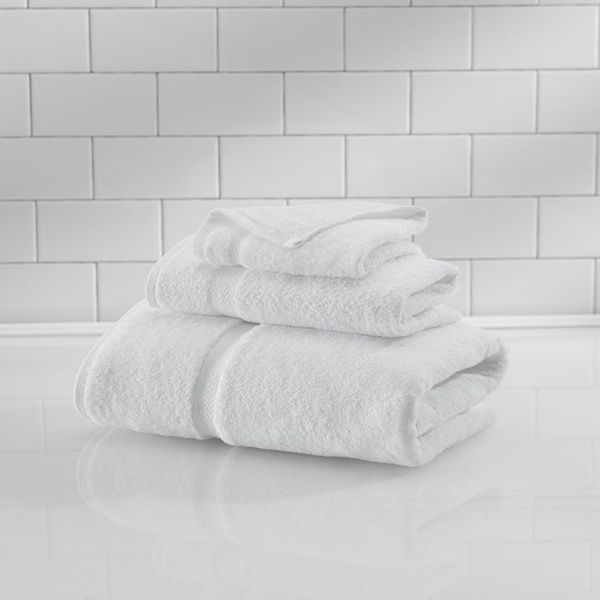
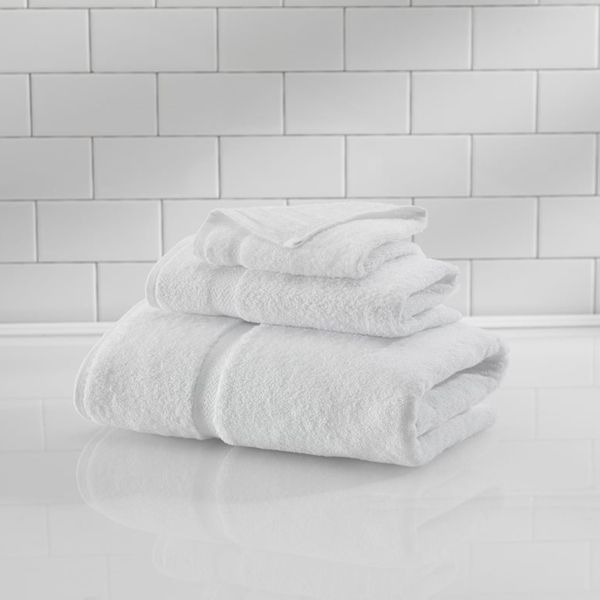
Choose 100 percent cotton terry with 450 to 550 GSM for bath towels and 600 to 700 GSM for bath sheets. These weights dry reasonably fast yet feel substantial in hand. Look for double-needle hems and lock-stitch borders that survive industrial washing. Avoid lightweight promotional towels that pill after twenty cycles. Ask suppliers for sample wash tests before placing the full order.

Standard Sizes That Fit Club Lockers
Locker room towels should measure 24 by 48 inches for hand towels and 35 by 70 inches for bath sheets. These sizes fold neatly into standard cubbies without bulk. Pool deck towels can run 30 by 60 inches for easier chair coverage. Confirm exact dimensions with your laundry equipment to avoid jams. Consistent sizing across orders simplifies staff training and inventory counts.
Color and Branding Options That Last
Select colors that hide soil yet still look crisp after repeated bleach cycles. Navy, forest green, and charcoal perform well in most club settings. For embroidery, order towels with a 4 by 4 inch dobby border area that accepts club logos without puckering. Request colorfastness test results for the specific dye lot you will receive. This step reduces returns and member complaints about fading.
Laundry Compatibility and Care Requirements
Confirm that every towel you buy tolerates 160-degree wash temperatures and commercial dryers. Pre-shrink the first batch yourself if the supplier cannot guarantee it. Avoid fabric softeners that reduce absorbency over time. Create a simple care card for staff that lists bleach allowance and fold sequence. Proper handling extends towel life by 30 to 40 percent in most operations.
Vendor Reliability and Lead Times
Work with suppliers who keep core sizes in stock and can ship within five business days. Request references from other private clubs in your region. Ask about minimum order quantities and whether they accept split shipments for seasonal spikes. A reliable vendor will also provide wash-test data and replacement policies for defective lots. Build a secondary source for the same SKUs in case of shortages.
Calculate True Cost Per Use
Divide the purchase price by expected number of washes. A $4.25 towel that lasts 120 cycles costs 3.5 cents per use. Compare that figure against cheaper options that fail after 60 cycles. Factor in labor for sorting damaged pieces and member complaints. The lowest upfront price rarely delivers the lowest long-term cost when durability is measured.
Plan Club Inventory by Season
Country club textile demand changes sharply through the year. Pool towels spike in summer. Locker room towels may rise with tournaments, events, and fitness programs. Dining and banquet linens peak around weddings, holidays, and member events. Guest suites or lodging areas follow a different occupancy rhythm. A good wholesale plan maps these peaks before buying.
Do not let one department borrow quietly from another. If pool stock runs short, staff may pull from locker rooms. If banquets run short, dining may pull from normal service inventory. That makes the next shortage harder to trace. Dedicated department bins and seasonal reserve cases keep the operation cleaner.
- Count pool, locker, spa, dining, event, and guest-suite stock separately.
- Order pool reserve before opening season.
- Keep banquet and dining linens out of towel storage areas.
- Review loss after major tournaments or member events.
Member-Facing vs. Back-of-House Textiles
Country clubs need a higher presentation standard for member-facing textiles. Pool towels, locker room towels, spa towels, robes, dining napkins, and guest-suite linens should look consistent and intentional. Back-of-house utility towels can be chosen more heavily around cost per use and durability. Mixing these programs makes both weaker.
Member-facing items should have documented approved SKUs and replacement timing. Utility items should have a retirement path from cleaner tasks to rougher tasks. This keeps premium items from disappearing into maintenance work and keeps utility costs under control.
| Program | Priority | Inventory control |
|---|---|---|
| Pool | Size, color, loss reserve | Seasonal unopened reserve cases |
| Locker room | Softness, absorbency, dry time | Daily laundry par |
| Spa | Guest feel and product exposure | Separate treatment stock |
| Dining / events | Presentation and count accuracy | Event-based issue and return logs |
| Utility | Cost per use and durability | Retirement path by task |
Ordering Calendar
Build the buying calendar around operations. Pool and outdoor towels should be reviewed before opening season. Dining and banquet linens should be reviewed before event-heavy months. Locker room and spa towels should be reviewed quarterly because they turn steadily. Guest-suite bedding and towels should be reviewed before expected occupancy peaks.
This calendar makes wholesale buying proactive. It also gives Jim and the purchasing team a reason to link product pages, industry pages, and guides together: the buyer can move from a planning guide to the exact category or Fast Order workflow at the moment they are ready to restock.
Questions Country Club Buyers Should Ask
Before ordering, separate the club into departments. Pool, locker room, spa, fitness, dining, banquet, golf operations, guest suites, and maintenance all use textiles differently. If the buyer treats the club as one inventory pool, shortages become hard to diagnose. Pool loss may drain locker room towels. Events may drain dining linens. Utility work may quietly consume member-facing towels. Department-level planning prevents that.
Country clubs also need a seasonal buying rhythm. Pool and outdoor towel orders should happen before opening season. Dining and banquet linens should be reviewed before event-heavy months. Locker room and spa towels should be reviewed quarterly because they turn steadily. Guest-suite bedding should be reviewed before known occupancy peaks. This calendar lets the club order wholesale instead of reacting to shortages.
- Keep department inventories separate from the first receiving step.
- Review last season’s loss before ordering pool towels.
- Set event linen counts from the largest planned events, not average weekly dining.
- Track member-facing textiles separately from utility towels.
Club Textile Standards
Member experience depends on presentation. A pool towel can be durable and still look clean, consistent, and appropriate for the club. Locker room towels should feel better than rough utility stock. Spa towels and robes should not be mixed with pool or maintenance use. Dining linens should be counted and returned after events so shortage does not appear at the next service.
The guide should push club buyers toward separate standards: member-facing, event-facing, guest-room, and back-of-house. Each standard can have its own cost level, replacement rhythm, and reorder file. That is how the club protects presentation without overspending on towels that will be used for rough work.
Country Club Towels by Department
Country clubs are not one towel program. Pool deck, locker rooms, spa, golf operations, dining, banquets, fitness, and guest suites all turn inventory at different rates. The best wholesale plan separates these areas so a pool-season spike does not drain locker room or event stock.
| Club area | Common needs | Planning risk |
|---|---|---|
| Pool deck | Pool towels, oversized towels, reserve cases | Loss and seasonal demand spikes. |
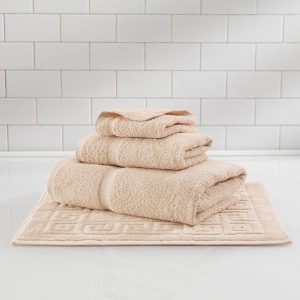
| Locker rooms | Bath towels, hand towels, washcloths, mats | Daily laundry bottlenecks. |
| Spa / wellness | Facial towels, treatment towels, robes | Product stains and guest feel. |
| Dining / banquet | Napkins, table linens, service towels | Event volume changes quickly. |
| Guest suites | Hotel-style towels and bedding | Needs a separate hospitality par level. |
Seasonal Replacement Plan
Order pool and locker room reserve before opening season. Review last year’s loss and discard counts, then add a seasonal buffer. During peak weeks, keep unopened reserve cases in storage so staff does not borrow from guest suites or event linen stock.
- Run a pre-season count by department.
- Keep towel loss logs for pool and locker rooms separately.
- Use dedicated bins so staff can restock without mixing areas.
- Schedule post-season replacement before vendor lead times become urgent.
Catalog examples for club departments
Country clubs usually need separate product choices for pool, locker room, spa, and guest areas. These examples match those department-level decisions.
- 1888 Mills Fibertone Cabana Solid Pool Towels 30" x 60" – fits pool deck, cabana, and outdoor member areas.
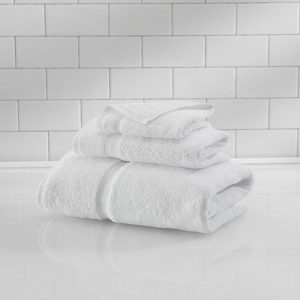
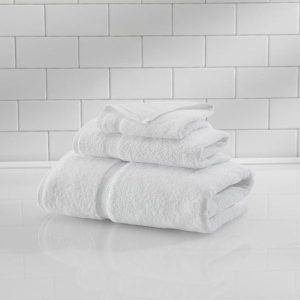
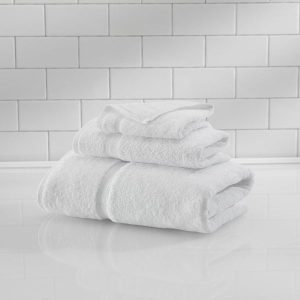
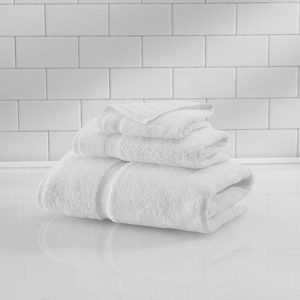
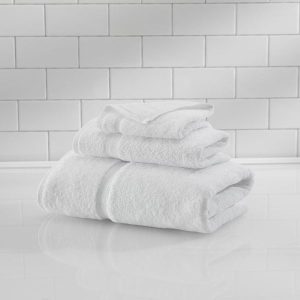
- 1888 Mills Crown Touch™ Bath Sheet 35 x 68 100% Cotton White-2 DZ. – useful for locker rooms, showers, and guest-suite towel sets.
- Double Sided Kimono Bath Robe – relevant when club service includes spa, robe, or higher-touch amenities.
Shop relevant wholesale products
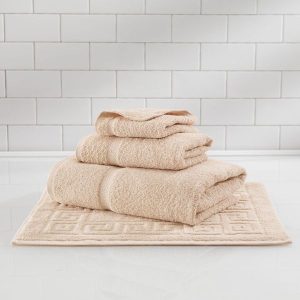
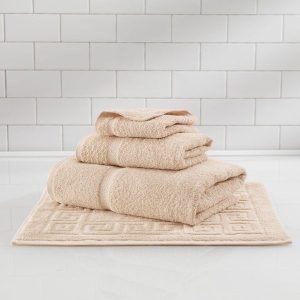
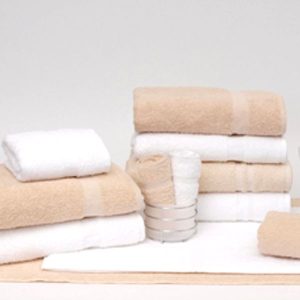
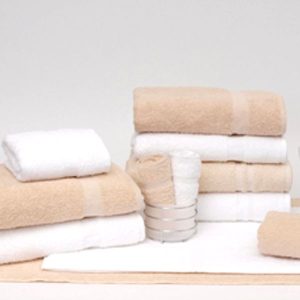
Use these product starting points, then use Fast Order when you know the case quantities or SKUs you want to repeat.
Next steps
Use the related industry page for product groupings, then compare towel or linen specs before changing an established program. For repeat orders, Fast Order is usually the cleanest purchasing path.
Selection checklist
- Choose the core towel or linen type before comparing prices.
- Confirm case pack quantity and storage requirements.
- Separate guest-facing inventory from utility or back-of-house inventory.
- Use color intentionally for sorting, presentation, or stain management.
- Keep reorder SKUs consistent so replacement buying stays simple.
- Review the related industry page when you need product groupings by use case.
Related buying resources
Use these internal links to move from planning to product selection without starting over in the catalog.